When you click on links to various merchants on this site and make a purchase, this can result in this site earning a commission. Affiliate programs and affiliations include, but are not limited to, the eBay Partner Network.
Question about rail plumbing for return conversion
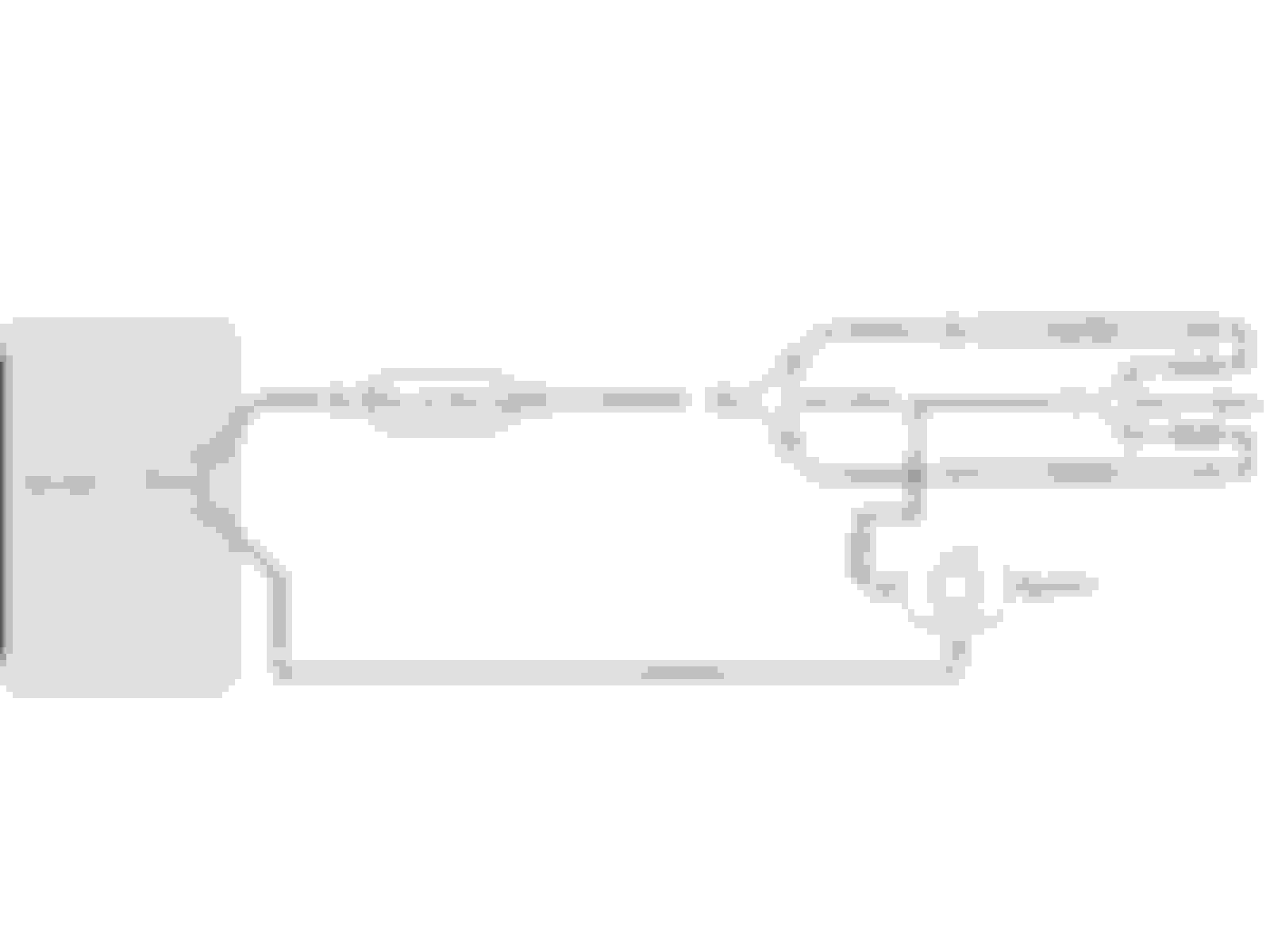
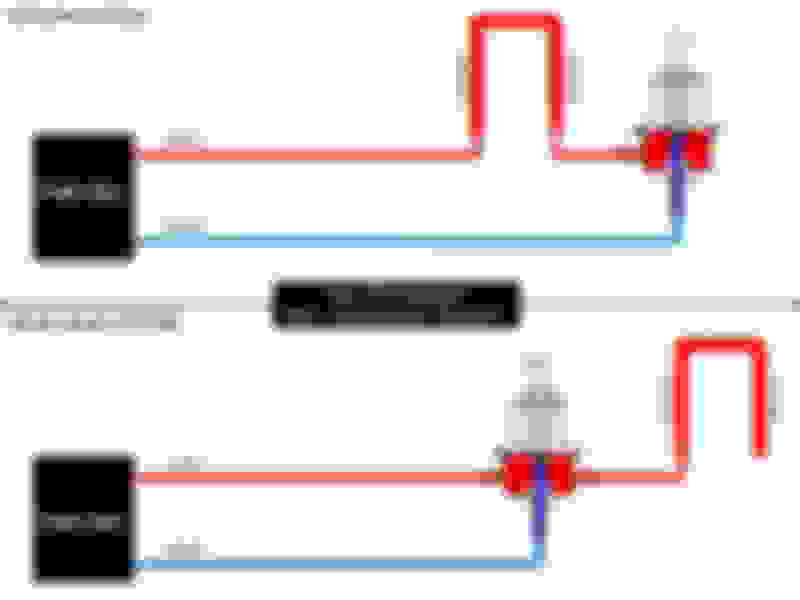
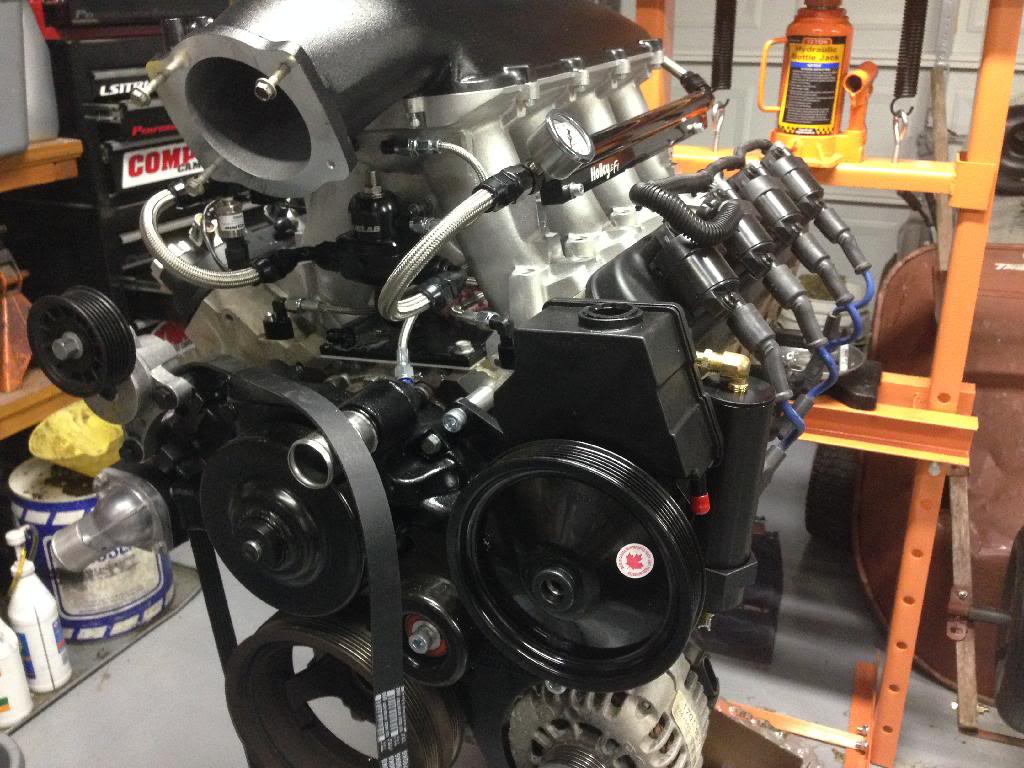
I'm curious about everyones opinions on plumbing the return rails. My particular application is a 2005 Silverado which I am turbo'ing and will be running E85 and ID1000's. I've read that I can Y and run two individual hoses to the back of the rails then run each rail to the regulator (preferred way). But that is a plumbing headache
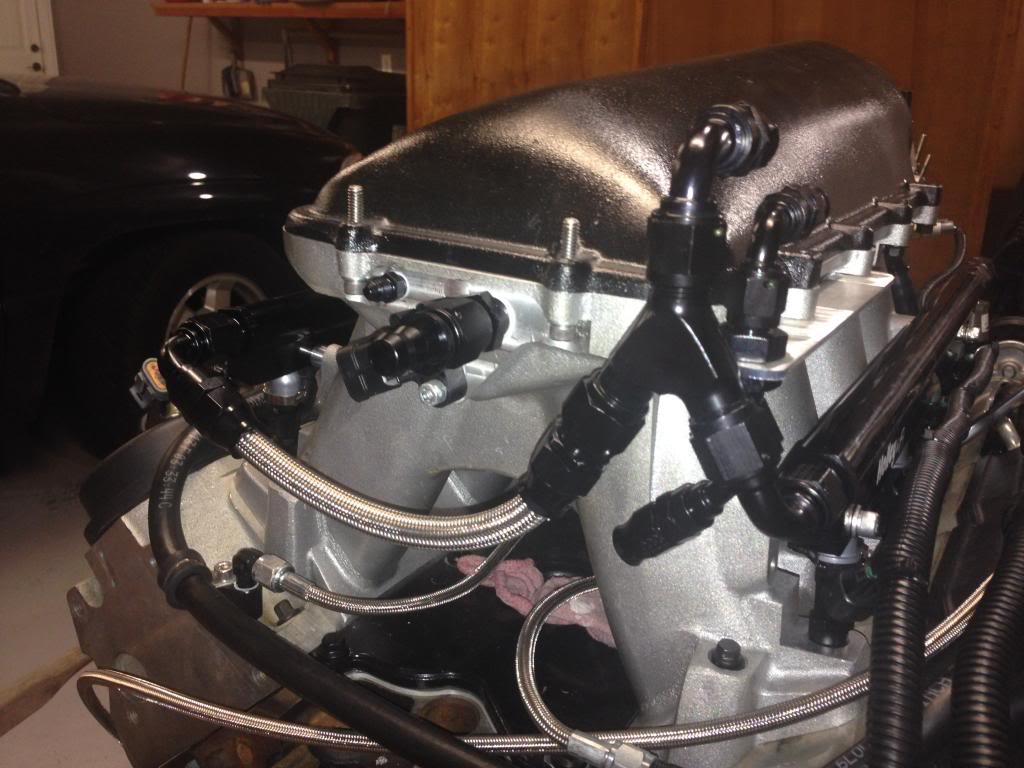
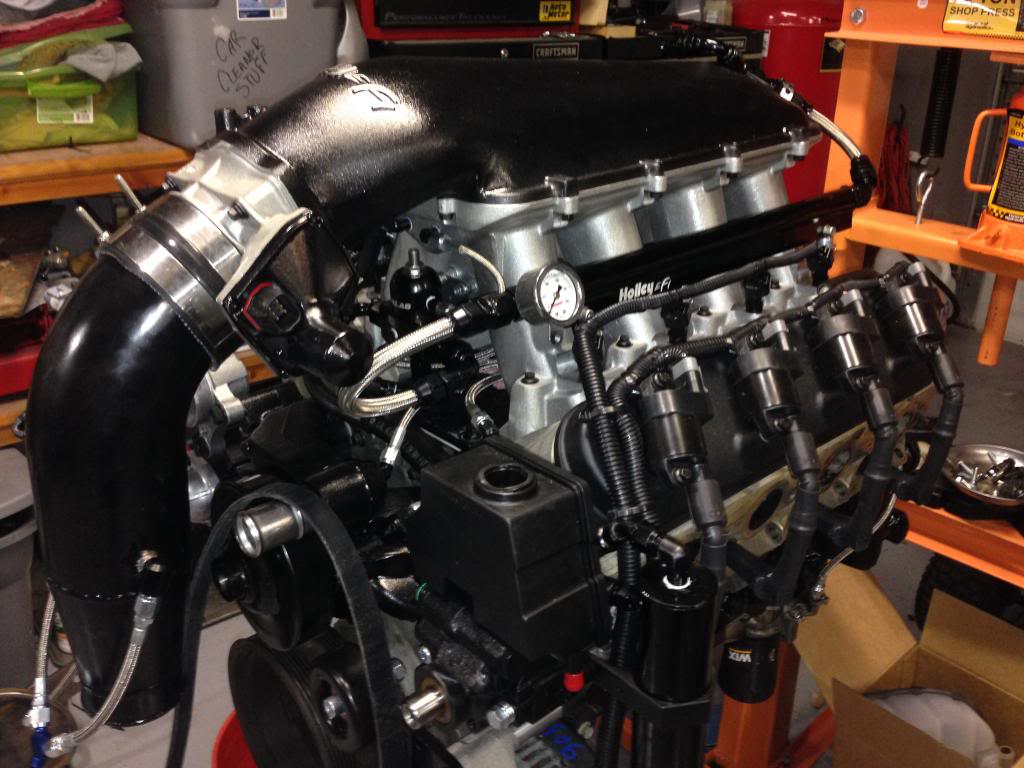
What will be much easier is if I run the -8 feed to the rear of the driver's side rail, then run the passenger side rail to the regulator and cap the 2nd port on the regulator (and obviously run a crossover at the front of the rail).
I tired the "preferred" way, i did not like it... it cost a small fortune in fittings... Way to complicated... It did work fine thou... I ended up swapping to the setup you have pictured second... It was kinda fun to make but simpler is always better. I have also tried the dead head way too, no issues with that either...
Corey big thanks! Always nice to hear what's proven. I have literally stalled my project by weeks by cutting, refitting, maneuvering y fittings so I can somehow plumb them into each side, etc etc. I have several hundred dollars in fittings that I still need to return. I will run it the simple way pictured second. F**k the truck would be running had I not over thought this.
Running a feed to each rail is one of those things that seems preferred in theory but really doesn't make anything difference versus doing a crossover at our power levels.
The most important thing is to have the regulator after the rails.
Just my opinion on the dead heading option is to have regulator as close to the rails as possible. When i had that setup it was only ~6in away. Seemed to work fine for me. But option 2 is the easiest and is proven.
One other thing is testing the system. Buy the testers they are cheap. Cap off the feed and return at the bucket. Pressurize the whole system with 100psi with compressed air. Get a squirt bottle with soapie water and spray every fitting and injector. If you get bubbles then You have a leak.



 Nov 10, 2015 | 10:26 PM

 Question about rail plumbing for return conversion