


Petro's Project ERL Superdeck 427 w/ Whipple 2.9L


 Dec 17, 2017 | 03:54 PM
#512


 Dec 18, 2017 | 03:01 PM
#514

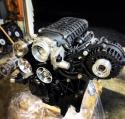
I have so much of the stuff leftover and I gotta figure out something to do with it since it expires in May. Maybe do some of my firearms with the Mircoslick and Glacier Black
Dec 18, 2017 | 03:24 PM
#516
Yeah the chambers, valve faces and backsides, exhaust/intake runners are getting the thermal barrier coating as well. More heat reflected into the combustion space and less thermal expansion of the chamber so static compression stays more constant...intake valve coated there is less heat put into the intake charge...exhaust valve less chance of it getting too hot...exhaust and intake runners there is less heat put into the coolant..and a hotter exhaust gas flows better/faster


 Dec 18, 2017 | 08:42 PM
#520
I’m gonna coat it all and see what happens as lots of builds coat both the valves. There are trade offs either way. If you keep the intake valve cooler it keeps the air charge cooler and fuel cooler which keeps detonation at bay. Fuel being completely vaporized by a hot unocated intake valve might be mixed more throughly and make for a more complete burn and more power. But if I keep the fuel, air, and valve cool then I can just let compression vaporize the fuel and possibly need less timing to make max power which is always a good thing. C16 with its low RVP would like lots of heat to vaporize it but Q16, E85, and pump 93 have higher RVPs which don’t need as much heat to vaporize them. I plan on running the Q16, E85, and pump 93 with fairly cold IATs. The enhanced quench and 9.98:1 compression along with the thermal barriers should easily and readily vaporize the fuel. Some vehicles have OEM fuel coolers. Are they are relying on the intake valve to vaporize the cooled fuel? Or is the fuel just cooled in order to cool the air charge down more? Anywho I believe it’ll help keep detonation at bay and make more power coated vs uncoated on the both valves.
Last edited by Petraszewsky; Dec 18, 2017 at 08:49 PM.