


Choosing a cam for ls1
 Dec 1, 2013 | 11:02 PM
#11



ls6 intake is a waste of money. FWIW, I loved the 226/226 112 cam I had in my ECSB ls1 truck. with a 3200 converter and crap ls1 heads it went 12.49. with ported 243 heads I went 12.19.
TSP 228r cam and let it rip IMO.
TSP 228r cam and let it rip IMO.

 ! i'd put a new style truck intake and let'r eat!
Dec 2, 2013 | 10:16 AM
! i'd put a new style truck intake and let'r eat!
Dec 2, 2013 | 10:16 AM
#13
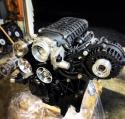
what they said. 243's or 799's with a 228 or something similar and a NNBS/TBSS intake. its proven and it'll run. if anything I'd go with a cam with a very slight exhaust bias, 2-4*.
 Dec 2, 2013 | 03:10 PM
#16

TECH Enthusiast
Joined: Sep 2013
Posts: 660
Likes: 0
Not trying to thread jack, but I'm so confused on what is better for a N/A motor with stock heads between a split verse single duration cams. A lot of people say go split b/c of the small exhaust ports on ls heads, then others say go single b/c the 15* angle of the heads is plenty.
Then some say split make more low end power and single make more top end! People also say the exact opposite to this^ For example lets say a 224/228 vs 228/228 with same lift and LSA
WHICH IS BETTER FOR A N/A MOTOR WITH STOCK HEADS??
Then some say split make more low end power and single make more top end! People also say the exact opposite to this^ For example lets say a 224/228 vs 228/228 with same lift and LSA
WHICH IS BETTER FOR A N/A MOTOR WITH STOCK HEADS??
Dec 2, 2013 | 03:46 PM
#17
and the secret is.....personal preference! L92 heads definatley prefer a exhaust biased split. the same goes for big nitrous builds (150 is not big). from the drivers seat, and probably on the track, you would notice no difference between a 228/228 and a 228/232. ive had, and have personally seen great results from the single duration cams. 224/224, 226/226 and 228/228 seem to work great on the ls1. i'm no cam guru, but it seems like the self proclaimed "pros" start giving exhaust split after the intake duration starts to go over 230* on cathedral heads. not sury why, just an observation.
i ran 12.20 with a 226/226 112 with a truck intake in my old ecsb
i ran 12.19 with the same cam and a ls6 intake
later i tried a 231/239 with larger primary exhaust, dual exhaust over single exhaust, ported fast90 intake. i went from 4.10 gears to 4.30, 3200 converter to 4,000 or so...it put down great numbers on paper down low and up high compared to my old setup. i could never touch the 12.20 N/A time i had with the basic setup though.
i guess the point of my ramble is that sometimes simple just works best.
i ran 12.20 with a 226/226 112 with a truck intake in my old ecsb
i ran 12.19 with the same cam and a ls6 intake
later i tried a 231/239 with larger primary exhaust, dual exhaust over single exhaust, ported fast90 intake. i went from 4.10 gears to 4.30, 3200 converter to 4,000 or so...it put down great numbers on paper down low and up high compared to my old setup. i could never touch the 12.20 N/A time i had with the basic setup though.
i guess the point of my ramble is that sometimes simple just works best.
Dec 2, 2013 | 09:01 PM
#19
TECH Enthusiast
Joined: Sep 2013
Posts: 660
Likes: 0
TXsilverado.......nice! great answer 
OP 228 it is haha I feel like the 228 might be slightly on the more wild side of a 5.7L displacement, but that stall will make up for it just fine!
OP 228 it is haha I feel like the 228 might be slightly on the more wild side of a 5.7L displacement, but that stall will make up for it just fine!
Last edited by 69Camaro427; Dec 2, 2013 at 09:17 PM.
Dec 2, 2013 | 10:01 PM
#20
Just for discussion sake, in 6.0L applications with “243” heads and a factory or factory type long runner intake manifold I’ve had good luck with Comp’s 228/232 588/595 on a 112CL with a 36-3800rpm 10.5” converter pulling to around 6700rpm or so, typically putting down around 425rwhp through a 4L60E. The 5.7L LS1’s usually handle similarly sized camshafts with ease, but will probably want to pull a little higher. As has already been discussed, several things can affect what works best in any given application and how much split in duration and LSA is preferable for a certain combination. Whereas LSA headed application seem to prefer a 6-10 degree split between the intake and exhaust, the cathedral port headed engines don’t usually require near so much. Of course things like exhaust plays a big effect on this as well, where a good set of long-tubes will help scavenge the cylinders you can tighten up the split, whereas an exhaust that is more restricted with stock manifolds will usually want a few extra degrees of duration on the exhaust side. Wide LSA cams don’t generally work the best with single planes intake manifolds. The factory long runner intakes really help to improve low end torque, which is why we usually run wide LSA cams to compensate, usually somewhere between a 112 and 114. That said the longer runner truck intakes can get away with a little more, while the car intakes a little less. With a carbureted single plane intake manifold 112 is wide and a 110 tends works even better if you want to rev it and sometimes even tighter depending on the vehicle. Of course the only way you will know what works best in your combination is trial and error or emulate someone else’s combination that you know works and is proven if it is like yours.

Thread
Thread Starter
Forum
Replies
Last Post
FlowmasterMufflers
Ford Engine & Exhaust Performance
0
Jul 22, 2015 01:29 PM


