


Effects of changing compression height of a piston
 Dec 26, 2014 | 08:26 PM
#1
Thread Starter
Moderator
iTrader: (20)
Joined: Feb 2006
Posts: 7,271
Likes: 62
From: South Shore, MA
 Effects of changing compression height of a piston
Help me understand what the effects of changing the compression height of a piston is. How does it effect it's strength? How does it effect the way it wears? How does it effect how hard it is on rings or bore etc?
Specifically let's look at stock stroke vs 4" stroke. So a compression height of about 1.304 for stock stroke with a 6.125 rod, and about a 1.110 compression height of a 4" stroke motor with 6.125 rods.
Let's not take into effect the difference in rod ratio or added stroke in the way it would effect this. Let's assume both are being used with the same stroke and rods. Same rod ratio and same rod angles etc...
For example does having the pin height higher add to the pistons stability, or take away from it? Does it add to strength of the piston or take away from it? My initial thought is that it may add to stability, take away from strength marginally, and add to ring wear. That's just me thinking out loud...
Specifically let's look at stock stroke vs 4" stroke. So a compression height of about 1.304 for stock stroke with a 6.125 rod, and about a 1.110 compression height of a 4" stroke motor with 6.125 rods.
Let's not take into effect the difference in rod ratio or added stroke in the way it would effect this. Let's assume both are being used with the same stroke and rods. Same rod ratio and same rod angles etc...
For example does having the pin height higher add to the pistons stability, or take away from it? Does it add to strength of the piston or take away from it? My initial thought is that it may add to stability, take away from strength marginally, and add to ring wear. That's just me thinking out loud...
 Dec 27, 2014 | 06:12 PM
#4

I noticed that on my wiseco pistons that the rod pin was closer to the lower oil ring vs the stock piston. That is what your asking right? I would agree with MechE and my machine shop explained it to me but that was over a year ago.
Dec 28, 2014 | 07:59 PM
#7


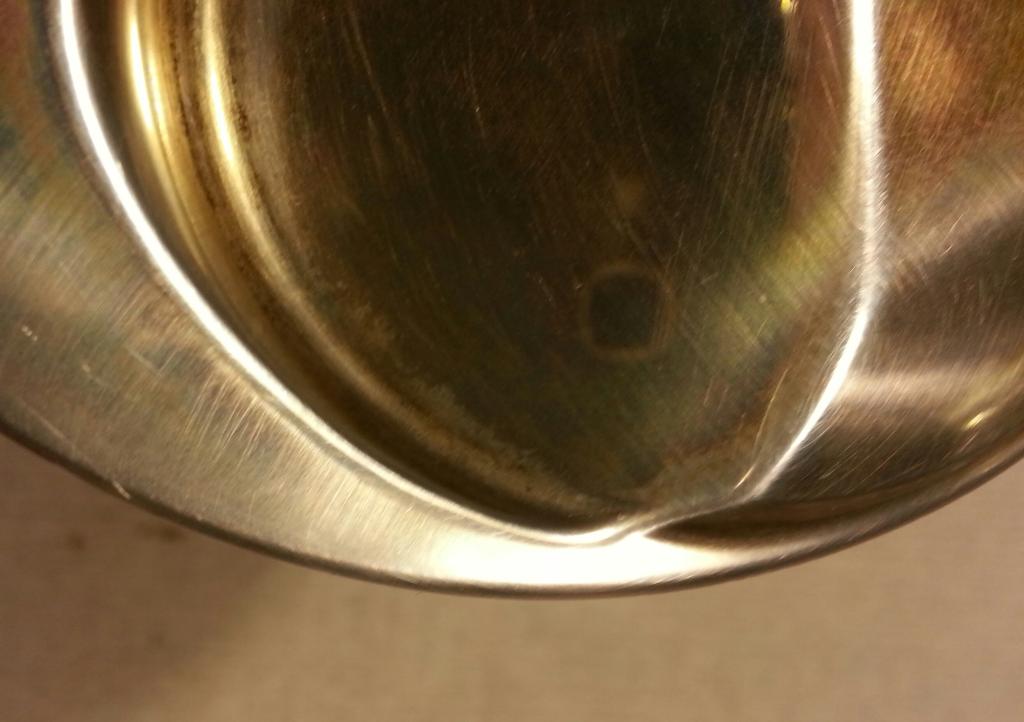
This is a JE piston from a 434 I built years ago with a 1.00 compression height for the old 23 degree style SBC(for some reason I still have them). It was fine for no power adder or a small shot, but if you are adding boost, the increased cylinder temps would have melted it down. Look at the 2nd pic and you can see how close the valve relief was to the outside. I wanted to change the pistons and add boost, but it would have never worked. I should have bought a taller deck block since I bought a Dart block anyways. I ended up having to run a shorter stroke so I could get a better compression height. If the piston is taller, I would assume it would allow it to rock less in the bore, and give a better area to dissipate the heat. I think the only reason you see a shorter compression height is because in a stroker application, you want to keep the rod angle down, and the only way to do that is lengthen the rod, and take away from the height of the piston. Maybe someone on here knows more about that than me though.



Trending Topics
Dec 28, 2014 | 10:02 PM
#9
Thread Starter
Moderator
iTrader: (20)
Joined: Feb 2006
Posts: 7,271
Likes: 62
From: South Shore, MA
Sounds good. And I get what you're saying about the valve relief... But I think a lot of forged pistons have valve reliefs like that. I'm really more so concerned with pin height than what the deck of the piston looks like.
Dec 29, 2014 | 05:12 AM
#10
Well its not just the valve relief, it is the thinnest part of the piston, and that is where they burn out. That area is so thin because of the lower compression height. You are trying to cram all your rings in such a small area, and just run out of room and that creates the weak link a weak link.