


Disappointing HP numbers
 Apr 7, 2021 | 01:18 PM
#11


Given how much you don't know about the number they gave you, I would not be concerned/upset/worried/fretting about it. Put her on a dyno to maximize power and get a real number (with some variance of its own)
However, 500 was not ever going to happen, I'm sorry to break your heart
However, 500 was not ever going to happen, I'm sorry to break your heart
 Apr 7, 2021 | 02:22 PM
#13

Get rid of the shorty headers and add LTs. You'll pick up 20-25HP, easy. Two things that restrict these builds; air in and air out. The TBSS intake is plenty for your build but, those shorty headers are just the same as stockers...get rid of them.


 Apr 7, 2021 | 03:26 PM
#14


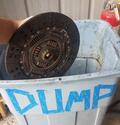
those numbers seem decent to me given the combo. The only calculators you should trust are Dynos (somewhat) and Drag times. What did you do with those square port heads? You can throw them into my trash can 
 Apr 7, 2021 | 05:16 PM
#16
If it doesnt know the weight, how is calculating the hp? If the entered weight isnt accurate, how does it know?
HP is unit of work. The math needs to know how much work (weight moved) is being done in a certain amount of time (rpms climbing/mph increasing)
HP is unit of work. The math needs to know how much work (weight moved) is being done in a certain amount of time (rpms climbing/mph increasing)
 Apr 7, 2021 | 05:19 PM
#17

Maybe he's talking about the calculated engine horsepower in the scanner. You can log that on just about any vehicle.
I use that channel all the time on the DI engines. I need the peak engine horsepower/torque very similar to predicted and calculated engine torque/horsepower.
I use that channel all the time on the DI engines. I need the peak engine horsepower/torque very similar to predicted and calculated engine torque/horsepower.

 Apr 7, 2021 | 07:11 PM
#20

TECH Apprentice


Joined: Aug 2017
Posts: 393
Likes: 64
From: Treasure Coast of Florida
When I was a youngster, we weighed our cars at the track and then made three or four passes before making any more changes. After those runs we could mathematically calculate how many horsepower we were putting down to the rear wheels through the traps. Small, high stall converters certainly felt better off the line but nearly always resulted in lower elapsed times and a loss in horsepower through the traps.
Curb Weight*((MPH*0.00426)^3)
Curb Weight*((MPH*0.00426)^3)