


2014 Track Results

 Jul 17, 2013 | 11:19 AM
#12

TECH Resident
Joined: Apr 2010
Posts: 888
Likes: 0
From: rochester/ fort plain ny

Yeah I hear you there, but Id probably wait a while until the aftermarket catches up so I can buy one, mod it, and lift it the way I want.
Good numbers though without a doubt.
Jul 17, 2013 | 12:57 PM
#13

TECH Fanatic
Joined: Jul 2006
Posts: 1,737
Likes: 0
From: K.C.
before people go off the deep end and think 25% idc is low. not exactly on a direct injected engine. Your main concern is Msec. The window of time you have to complete the injector pulse before you miss the window and throw a mis-fire code. So in theory, no you do not have a lot of room to mess with with aftermarket mods and such without doing a larger fuel lobe, or secondary injector setup to compensate for it.
Jul 17, 2013 | 01:38 PM
#14

before people go off the deep end and think 25% idc is low. not exactly on a direct injected engine. Your main concern is Msec. The window of time you have to complete the injector pulse before you miss the window and throw a mis-fire code. So in theory, no you do not have a lot of room to mess with with aftermarket mods and such without doing a larger fuel lobe, or secondary injector setup to compensate for it.
 Jul 17, 2013 | 04:10 PM
#16
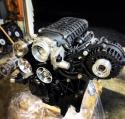
before people go off the deep end and think 25% idc is low. not exactly on a direct injected engine. Your main concern is Msec. The window of time you have to complete the injector pulse before you miss the window and throw a mis-fire code. So in theory, no you do not have a lot of room to mess with with aftermarket mods and such without doing a larger fuel lobe, or secondary injector setup to compensate for it.
Thanks for that post... great info.
Jul 18, 2013 | 09:02 AM
#17
TECH Fanatic
Joined: Jul 2006
Posts: 1,737
Likes: 0
From: K.C.
the in-tank pump just serves as a lift pump in the GDI setups. feeds the hpfp, and the pressure gets jacked to 2k+ psi for the precision injection purposes. good way to watch and see if you're out of feed pump or not is if the fuel pressure drops on the top end. if you're out of hpfp, you will lose pressure in the midrange.
Jul 18, 2013 | 10:19 AM
#18
so fuel pressure at the fuel rails... or whatever they are called now, is 2k PSI?
There is a primary pump similar to what we have now, and a secondary high pressure pump that jacks it up to this level?
There is a primary pump similar to what we have now, and a secondary high pressure pump that jacks it up to this level?
Jul 18, 2013 | 10:35 AM
#19

TECH Fanatic
Joined: Oct 2005
Posts: 1,379
Likes: 0
From: Woodstock Ontario Canada
And yes, we cant compare IDC from DI injectors like we can with Port Fuel Injectors.
DI uses a multitude of different fueling strategies. Instead of spraying fuel at the cylinder head wall and intake valve, DI actually draws its heat from the air itself, this is what allows the higher compression ratios compared to PFI.
DI doesn't usually spray fuel the entire time the intake valve is open, it breaks injection up into many events. It might squirt a bit just as the valve opens, then more a few milliseconds later, and then maybe more just before the plug fires. It simply doesn't spray the entire fuel load in one hit. The timing is incredibly precise.
The limiting factor is the injectors. IIRC the GEN V LT1 uses a 125 lb/hr injector.
The Chev Indycar 2.2 liter V6 revs to 12,000 rpm and uses direct injection as it primary fueling, it also is twin turbocharged which necessitates conventional Port Fuel Injectors as well. The engine runs on E85.
There are some exciting engines coming down the pipe. LT4 is one of them. Yeehaw!
peace
Hog
Jul 18, 2013 | 11:00 AM
#20
TECH Fanatic
Joined: Jul 2006
Posts: 1,737
Likes: 0
From: K.C.
also, when tuning these things. Normal port injections air fuel/lambda's do not apply. on average between the two is about a point leaner. Take the turbo cobalts for instance. I run them and make the best power at 12.6-12.8 afr on 22-27 psi with zero issues. Even on larger turbos. e85, i run them at 13.0-13.2 on the same boost levels. So it shouldn't be uncommon to see afr's in the low to mid 13's at wot.